In a stern rebuke, the Supreme Court of India has censured popular YouTuber Ranveer Allahbadia and several comedians for making allegedly insensitive remarks mocking persons with disabilities. The Court stated that making jokes at the expense of the disabled for financial gain is “completely unacceptable.”
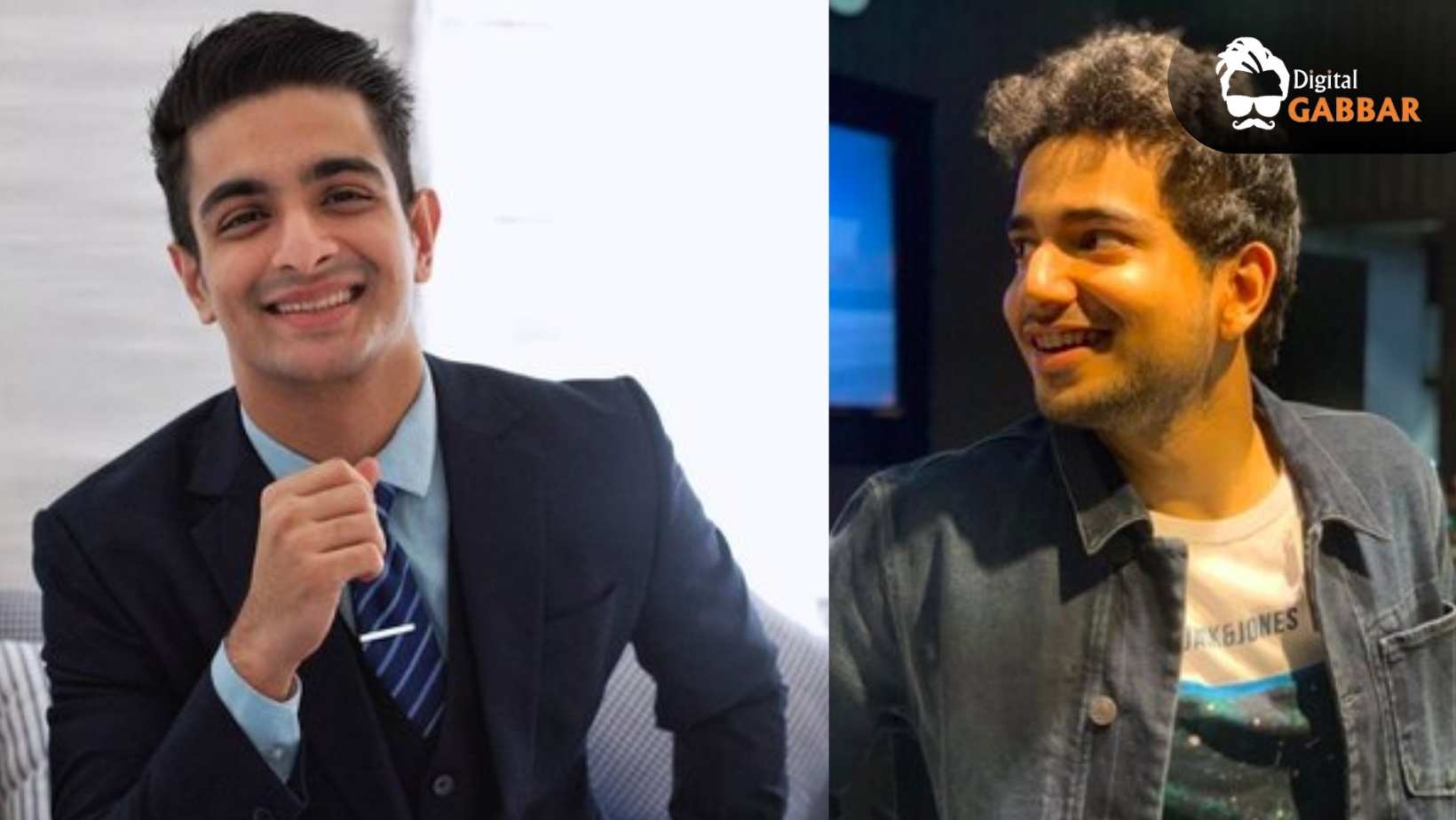
The controversy stems from an episode of the reality show India’s Got Talent. The bench, during its hearing, also criticized fellow panelists and comedians Samay Raina, Vipul Goyal, Balraj Paramjeet Singh Ghai, Nishant Jagdish Tanwar, and Sonali Thakkar (also known as Sonali Aditya Desai).
A Directive for Dignity and Apology
The apex court emphasized the paramount importance of upholding every individual’s dignity. It observed that while humor is a vital part of life, it has its limits.
“You can make a joke, but you cannot make a joke on the cost of the dignity of an individual. India is a diverse country; there are many communities and influential people. You cannot use a community like this and hurt their sentiments,” the Court remarked.
As a consequence, the Supreme Court has issued a direct order for all individuals involved to tender an unconditional public apology. They must create a video apology and share it on their respective YouTube channels and social media platforms.
Broader Implications for Media Content
Moving beyond the immediate case, the Supreme Court also directed the Ministry of Information and Broadcasting to formulate specific guidelines and provisions for penalties concerning such insensitive content on broadcast and digital media. This move signals a potential shift towards greater accountability for content creators and comedians on public platforms.
The ruling underscores the legal and ethical boundaries of comedy in India, reinforcing that the right to expression does not extend to infringing upon the dignity and respect of vulnerable communities.
Supreme Court tells stand-up comedians Samay Raina, Vipul Goyal, Balraj Paramjeet Singh Ghai, Nishant Jagdsish Tanwar and Sonali Thakkar aka Sonali Aditya Desai to tender an unconditional apology on their YouTube channels, etc., for their alleged insensitive remarks against…
— ANI (@ANI) August 25, 2025