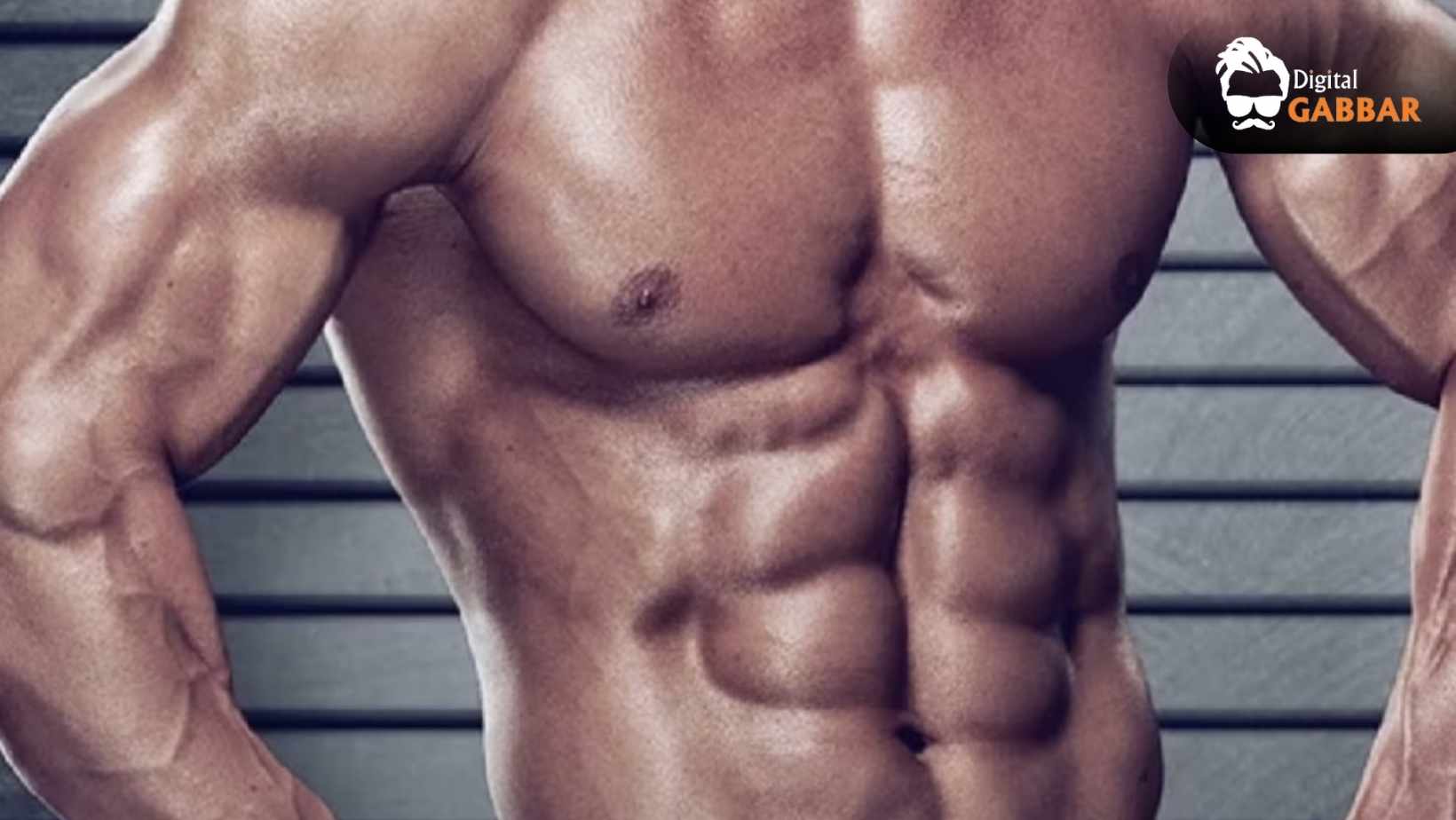
Chinese influencer Andy Hao Tienan, known for his beauty and fashion content and followed by around 1 lakh people, recently revealed that he has effectively re-sculpted his body using massive amounts of hyaluronic acid injections — not through exercise.
According to reports:
- He splurged roughly ¥4 million (Chinese yuan) — about US $560,000 or nearly ₹46 crore — for this body modification.
- He claims that 20 % of his body now contains the filler substance.
- He is aiming for about 10,000 total injections, and says he’s already completed around 40 % of the plan.
“I totally agree that muscles do not grow on cowards… But I’m no coward any more. Could you dare to do the same?” he said.

He even teased a plan to apply for a Guinness World Records award for the “longest-lasting artificial abs made of hyaluronic acid,” and said he would live-stream cracking walnuts on his abs as proof.
Why the procedure is raising red flags
Though hyaluronic acid is commonly used in cosmetic treatments (skin fillers, joint lubrication), using it in such high volume and in unusual locations (shoulders, collarbones, chest, abdomen) is highly unconventional.

Medical professionals have pointed out several risks:
- The filler may shift, clump, or dissolve prematurely — leading to distortion of the “abs”.
- Over-injection can damage skin tissue, blood vessels, or even erode bone.
- Natural muscle function may weaken, and movement can look unnatural once the filler acts differently than real muscle.
One plastic surgeon warned: “While the muscles may look realistic when still, they will appear distorted during movement.”
The broader context: what this says about social-media beauty culture
- In an era where influencers chase extreme visuals and viral moments, the drive for “the perfect body” is pushing people toward unconventional and risky procedures.
- The story highlights how cosmetic enhancement can cross into body-modification territory, where the line between “enhancement” and “experiment” blurs.
- It also raises questions for Indian audiences and beyond: What are the health costs of chasing aesthetic ideals? At what point does transformation become danger?
What to watch and ask if you see such stories
- Always check the source: Are the claims verified medically, or self-reported by the influencer?
- Understand the risk vs reward: Cosmetic procedures may carry hidden long-term risks, especially when taken to extremes.
- Think locally: In India (and elsewhere), regulations may differ, standards may vary — never assume “viral” means “safe”.
- Reflect on motives: Is the goal health, aesthetics, attention, or something else? Is the cost (financial, physical) justified?